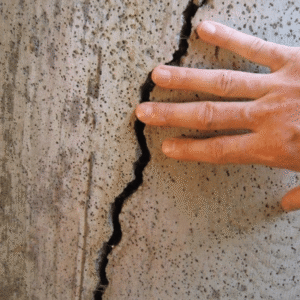

Is Your Foundation Trying to Tell You Something?
Your home’s foundation is literally what everything else stands on. When foundation problems develop, they don’t just affect your basement—they compromise your entire home’s structural integrity, safety, and value. The difference between a $5,000 repair and a $50,000+ catastrophe often comes down to one thing: catching the warning signs early.
Foundation issues affect approximately 25% of homes in the United States, with repair costs averaging $10,000-$15,000 for moderate problems. But here’s the critical part: foundation damage is progressive. Small cracks become structural failures. Minor settling becomes major shifting. What starts as a $3,000 fix can quickly escalate to $30,000+ if ignored.
In this essential guide, you’ll learn the 10 most critical warning signs that your foundation needs immediate attention, understand what causes foundation problems, discover realistic repair costs, and know exactly when to call a professional. Your home is giving you signals—let’s make sure you recognize them before it’s too late.
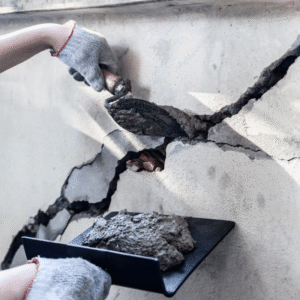
Quick Check: Do You Have These Foundation Warning Signs?
1.Cracks in walls wider than 1/4 inch
2.Doors or windows that stick or won’t close properly
3.Gaps between walls and ceiling or floor
4.Sloping, sagging, or uneven floors
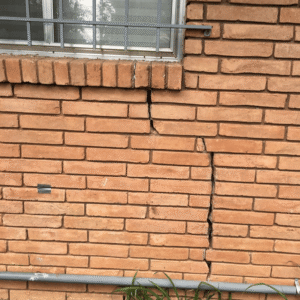
5.Cracks in exterior brick or foundation
6.Water pooling around foundation
7.Basement moisture or flooding
8.Nail pops appearing on walls
9.Chimney pulling away from house
10.Countertops or cabinets separating from walls
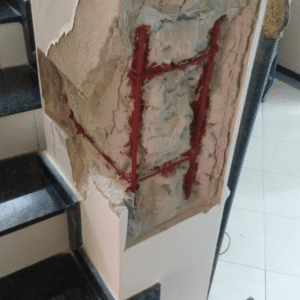
Warning Sign #1: Cracks in Interior Walls
What to Look For:
Not all wall cracks indicate foundation problems, but certain patterns are red flags requiring immediate attention:
- Horizontal Cracks: SERIOUS – Indicate foundation wall bowing from soil pressure. Urgent professional evaluation needed.
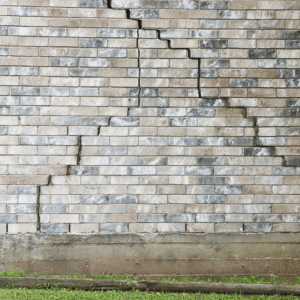
- Diagonal Stair-Step Cracks: CONCERNING – Follow mortar joints in brick/block walls. Signal differential settling.
- Vertical Cracks Wider Than 1/4 Inch: MONITOR CLOSELY – May indicate foundation movement, especially if widening.
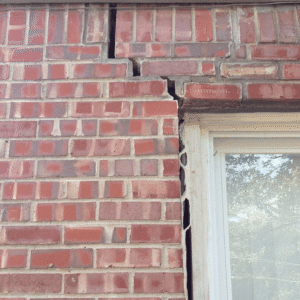
- Cracks Above Doors/Windows: WARNING – Often indicate foundation settling causing frame stress.
- Corner Cracks Meeting at 45° Angles: SERIOUS – Classic foundation settlement pattern requiring immediate attention.
Normal vs. Problematic: Hairline cracks (under 1/16 inch) from normal settling are usually cosmetic. Cracks over 1/4 inch, growing cracks, or multiple cracks appearing suddenly warrant professional inspection. Document crack size with photos and tape—check monthly for growth.
Warning Sign #2: Doors and Windows That Stick or Won’t Close
When your foundation shifts, door and window frames shift with it. This creates gaps, sticking, and alignment problems that worsen over time.
Specific Symptoms:
- Interior doors suddenly sticking at top or bottom corners
- Doors swinging open or closed on their own (floor no longer level)
- Gaps appearing between door/window frames and walls
- Windows becoming difficult to open, close, or lock
- Diagonal gaps in door frames (wider at top or bottom)
- Doors requiring aggressive pushing/pulling to latch
- Multiple doors/windows throughout house affected simultaneously
Red Flag Test: If doors/windows that previously worked fine suddenly stick in multiple rooms, foundation movement is likely. Single door sticking might be humidity; multiple doors/windows indicates structural shifts. Use level on floor near problem doors—if floor slopes, foundation has moved.
Warning Sign #3: Sloping, Sagging, or Uneven Floors
Floors should be level. Noticeable slopes, bouncing, or sagging indicate serious structural issues requiring immediate attention.
How to Detect Floor Problems:
- Marble Test: Place marble on floor—if it rolls consistently in one direction, floor slopes more than 1/2 inch per 10 feet
- Visual Check: Stand in doorways and look across room. Noticeable floor dip or hump visible to naked eye is concerning
- Walking Test: Walk across floor noting any bouncing, flexing, or soft spots indicating compromised support
- Gap Check: Look for gaps between floor and baseboards—gaps indicate floor has dropped or pulled away
- Furniture Observation: Tables/chairs that suddenly rock when they didn’t before signal floor unevenness
Severity Guide: Slope under 1/2 inch per 20 feet: Monitor. 1/2-1 inch per 20 feet: Schedule inspection soon. Over 1 inch per 20 feet or noticeable sag: Emergency structural evaluation needed. Floors don’t fix themselves—they only worsen.
Warning Sign #4: Cracks in Exterior Brick, Concrete, or Foundation
External cracks provide direct evidence of foundation movement. These are often the first visible signs before interior damage appears.
Critical Crack Patterns:
- Horizontal Foundation Cracks: EMERGENCY – Indicate wall failure from soil pressure. Can lead to total foundation collapse.
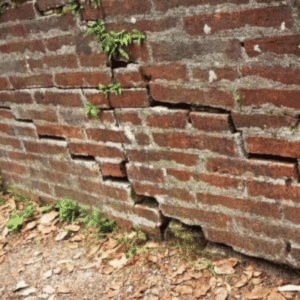
- Stair-Step Cracks in Brick: SERIOUS – Follow mortar joints, indicate differential settling, worsen with freeze-thaw cycles.
- Vertical Cracks in Poured Foundation: MONITOR – Common in new construction (concrete curing), but widening cracks = movement.
- Cracks at Foundation Corners: WARNING – Corner is weak point. Cracks here often indicate significant structural stress.
- Diagonal Cracks from Corners: CONCERNING – Classic settlement pattern. Professional assessment needed to determine severity.
- Bowing or Bulging Foundation Walls: EMERGENCY – Immediate structural failure risk. Evacuate basement until assessed.
Critical: Any horizontal crack in foundation walls is structural emergency. Any crack you can fit a credit card into needs professional evaluation. Mark crack ends with tape and date—check monthly. Growing cracks = active foundation movement.
Warning Sign #5: Gaps Between Walls, Ceiling, or Floor
As foundations shift, different parts of your house move at different rates, creating gaps where materials should be flush.
- Wall-Ceiling Gaps: Ceiling pulling away from walls indicates severe foundation settlement or roof structure issues
- Wall-Floor Gaps: Floor has dropped or wall has shifted. Measure gap—anything over 1/2 inch needs attention
- Corner Wall Separation: Walls separating at corners signal major structural movement. Very serious.
- Molding Gaps: Crown molding or baseboards separating from walls indicate movement. Document and monitor.
- Staircase Gaps: Stairs pulling away from wall extremely dangerous—structural support compromised
- Fireplace Separation: Chimney pulling away from house is foundation failure. Immediate repair needed.
Take photos of gaps with ruler for scale. Check monthly. Rapidly growing gaps (1/4 inch in 3 months) indicate active, dangerous foundation movement requiring immediate professional intervention.
Warning Sign #6: Water Pooling Around Foundation
Poor drainage causes soil expansion/contraction cycles that crack foundations. Standing water after rain, improper grading, clogged gutters, or broken downspouts force water against foundation walls causing pressure cracks, basement flooding, and soil erosion under footings. Fix drainage issues immediately—every rain cycle worsens foundation damage.
Warning Sign #7: Basement Moisture, Leaks, or Flooding
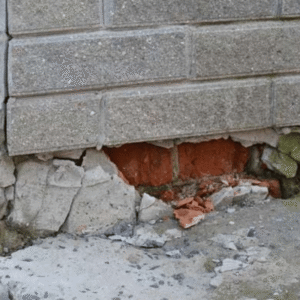
Water in basement indicates foundation cracks allowing water intrusion. Symptoms: Damp basement smell, efflorescence (white powder on walls), water stains, visible seepage during rain, or standing water. Even minor moisture causes mold, rot, and progressive foundation deterioration. Chronic basement water is foundation crying for help.
Warning Sign #8: Nail Pops and Drywall Damage
Nails/screws popping out of drywall indicate structural movement. One or two nail pops are normal settling; multiple pops appearing suddenly across multiple walls signal foundation shifting. Look for patterns—groups of nail pops along same wall section indicate stress point. Document locations and check for corresponding exterior cracks.
Warning Sign #9: Chimney Tilting or Pulling Away
Chimneys built on separate footings can settle independently from house. Visible tilt, gaps between chimney and house, or bricks separating indicate serious foundation failure. Leaning chimneys are structural hazards—falling risk and foundation problem indicator. Get immediate inspection if chimney shows any separation or tilt exceeding 1 inch per 10 feet.
Warning Sign #10: Countertops and Cabinets Separating from Walls
Kitchen/bathroom cabinets and countertops attached to walls show gaps when foundation moves. Previously flush countertops pulling away, cabinets with visible gaps, or counters no longer level indicate floor/wall movement from foundation issues. This symptom appears later in foundation failure process—by this stage, significant movement has occurred.
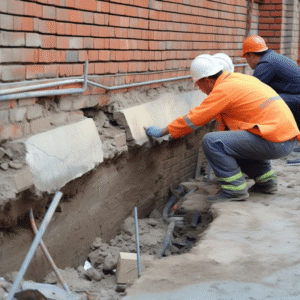
What Causes Foundation Problems? Understanding the Root Issues
- Expansive Soil: Clay soils expand when wet, contract when dry. This cycle exerts enormous pressure on foundations causing cracks and shifting.
- Poor Drainage: Water pooling near foundation saturates soil, increases pressure, causes settling. Gutters, grading, and drainage systems are critical.
- Plumbing Leaks: Undetected leaks under slabs or near foundations saturate soil, cause erosion, create voids beneath footings leading to settling.
- Tree Roots: Large trees within 20 feet of foundation absorb soil moisture causing drying/shrinking. Roots can also physically damage foundations.
- Poor Soil Compaction: Inadequate compaction during original construction allows soil to settle over time, dropping foundation sections.
- Drought Conditions: Extended dry periods shrink soil, creating voids beneath foundation. When rain returns, soil expands unevenly.
- Earthquakes/Seismic Activity: Even minor tremors can crack foundations, especially in older homes not built to current seismic codes.
- Poor Original Construction: Inadequate rebar, wrong concrete mix, insufficient foundation depth, no drainage system set homes up for failure.
- Age and Deterioration: All foundations deteriorate over time. 50+ year old foundations approaching end of design life.
- Extreme Weather: Freeze-thaw cycles, flooding, hurricanes, and tornados can all damage foundations through water infiltration and soil movement.
Foundation Repair Costs: What to Expect in 2026
Foundation repair costs vary dramatically based on problem severity, repair method, and home size. Here are realistic 2026 cost ranges:
| Repair Type | Cost Range | When Needed |
| Minor Crack Repair | $500-$1,500 | Cosmetic hairline cracks, no structural issues |
| Crack Injection (Epoxy) | $300-$800 per crack | Small structural cracks in concrete |
| Drainage Correction | $2,000-$6,000 | Poor grading, gutter/downspout issues |
| Crawlspace Waterproofing | $1,500-$5,000 | Moisture problems, vapor barriers needed |
| Basement Waterproofing | $4,000-$12,000 | Interior/exterior drainage systems |
| Piering/Underpinning | $1,500-$3,000 per pier | Foundation settling, 8-12 piers typical |
| Slab Jacking | $3,000-$7,000 | Sunken concrete slabs, void filling |
| Wall Stabilization | $5,000-$15,000 | Bowing basement walls, anchor systems |
| Foundation Replacement | $20,000-$100,000+ | Total foundation failure, severe damage |
| Full House Leveling | $25,000-$75,000 | Major structural movement throughout home |
When to Call a Foundation Professional: Don’t Wait
Foundation problems never improve on their own. Call professional immediately if you notice:
- ANY horizontal cracks in foundation walls
- Cracks growing measurably month-to-month
- 3+ warning signs from this article present
- Doors/windows suddenly sticking in multiple rooms
- Visible floor slope or sag
- Water in basement during/after rain
- Chimney tilting or separating from house
- Gaps between walls/ceiling wider than 1/2 inch
- New cracks appearing regularly
- Previous foundation repair showing signs of failure
Professional Inspection Includes: Comprehensive interior/exterior examination, soil analysis, moisture testing, level measurements, crack documentation, structural assessment, repair recommendations, and cost estimates. Inspections cost $300-$800 but can save tens of thousands by catching problems early. Many foundation companies offer free inspections.