
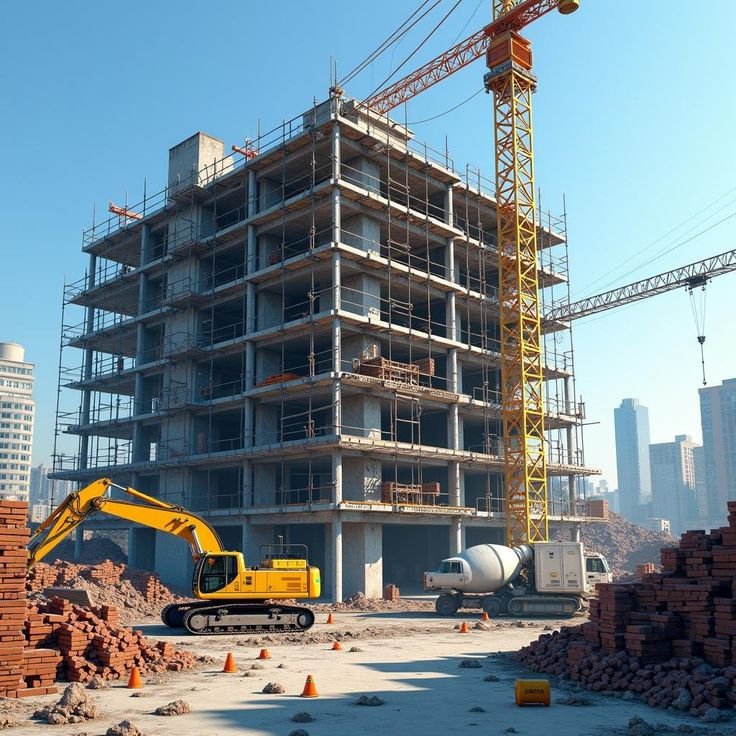
Why Building Permits Matter More Than You Think in the Building Permits Guide 2026
Building permits might seem like bureaucratic red tape—expensive, time-consuming paperwork that slows down your construction project. But permits serve critical purposes: ensuring structural safety, protecting property values, verifying code compliance, and documenting legal improvements. Skipping permits isn’t just illegal; it’s potentially dangerous and financially devastating.
According to 2026 building department data, approximately 35% of homeowners attempt unpermitted work, often at their contractor’s suggestion to ‘save money.’ The reality? Unpermitted work discovered during home sales causes deals to fall through, requires expensive retroactive permitting, or worst case—complete demolition and rebuild at owner’s expense. Permit fees ($500-$5,000 for most projects) are trivial compared to these consequences.
In this essential guide, you’ll learn exactly which projects require permits, how the permit process works, what it costs, realistic timelines, and how to handle common permitting situations. Whether you’re planning a kitchen remodel, home addition, or deck installation, this guide ensures you start your project legally and avoid costly mistakes.
This Building Permits Guide 2026 provides insights into essential permitting requirements.

Quick Reference: Do You Need a Permit?
| ✅ PERMIT REQUIRED | ❌ NO PERMIT NEEDED (Usually) |
| • Room additions • Structural changes • Electrical work • Plumbing modifications • HVAC installation • Roof replacement • Window/door replacement • Deck over 30″ high • Fence over 6 feet • Foundation work • Major kitchen/bath remodel • Finishing basement • Installing water heater • Gas line work |
• Painting • Flooring replacement • Cabinet refacing • Countertop replacement • Minor repairs • Landscaping • Small deck under 30″ high • Cosmetic updates • Replacing trim • Installing appliances • Wallpapering • Carpet installation |
Important Note: Rules vary by jurisdiction. When in doubt, call your local building department. A 5-minute phone call can save you thousands in fines and remediation costs. Many departments have online permit requirement checkers.

What Are Building Permits and Why They Exist in the Building Permits Guide 2026
A building permit is official approval from your local government to construct, alter, or repair a structure. Permits ensure work meets building codes, zoning regulations, and safety standards. Here’s what permits actually accomplish:
- Structural Safety: Verifies construction can withstand loads, weather, and normal use without collapsing or failing
- Fire Safety: Ensures proper fire-resistant materials, egress routes, smoke detectors, and sprinklers where required
- Electrical Safety: Confirms wiring meets code to prevent fires, shocks, and electrocution hazards
- Plumbing Safety: Ensures proper water supply, drainage, and venting to prevent contamination and sewer gas infiltration
- Health Standards: Verifies adequate ventilation, insulation, and moisture control to prevent mold and indoor air quality issues
- Property Values: Documented, permitted work maintains and increases home value; unpermitted work decreases value
- Insurance Coverage: Unpermitted work can void homeowners insurance, leaving you exposed to catastrophic financial loss
- Legal Protection: Permits create official record of improvements, protecting you in disputes and during property transfers
- Zoning Compliance: Ensures construction doesn’t violate setbacks, height limits, or land use restrictions
- Resale Readiness: Permitted work transfers smoothly during sales; unpermitted work kills deals or demands price reductions

Common Types of Building Permits Explained
Building Permit (General Construction)
Covers structural work: additions, framing, roofing, windows, doors, siding. Most comprehensive permit type. Cost: $500-$3,000 based on project value. Includes: plan review, multiple inspections (foundation, framing, final). Timeline: 2-8 weeks for approval.
Electrical Permit
Required for: new circuits, panel upgrades, outlets, major appliance wiring, lighting circuits. Does NOT cover: replacing existing outlets/switches (like-for-like). Cost: $50-$500. Inspection required before covering walls. Timeline: 1-3 weeks.
Plumbing Permit
Required for: new fixtures, drain lines, water lines, gas lines, water heaters, sump pumps. Does NOT cover: faucet replacement, toilet replacement (like-for-like). Cost: $75-$400. Pressure test required. Timeline: 1-3 weeks.
Mechanical Permit (HVAC)
Required for: furnace installation, AC installation, ductwork, ventilation systems. Ensures proper sizing, efficiency, and safety. Cost: $100-$500. Load calculations may be required. Timeline: 1-2 weeks.
Demolition Permit
Required for: removing load-bearing walls, tearing down structures, major interior gutting. Ensures structural integrity maintained. Cost: $100-$1,000. Sometimes combined with building permit. Timeline: 1-2 weeks.
Roofing Permit
Required for: complete roof replacement, structural roof repairs, adding skylights. Simple repairs often exempt. Cost: $150-$800. Inspection after installation. Timeline: 1-2 weeks.
Fence Permit
Required for: fences over 6 feet, fences in front yards, fences near property lines. Setback requirements strictly enforced. Cost: $50-$200. Survey may be required. Timeline: 1-2 weeks.
Zoning/Variance Permit
Required when: work doesn’t meet standard setbacks, height restrictions, or use regulations. Most complex, requires board approval. Cost: $500-$3,000+. Public hearings may be required. Timeline: 6-16 weeks.
The Permit Application Process: Step-by-Step
Understanding the permit process helps you plan realistic timelines and avoid delays. Here’s how it works from application to approval:
Step 1: Determine Permit Requirements (Week 1)
Contact local building department or check website. Describe your project in detail. Ask specifically: Which permits needed? What documents required? Any special requirements? Estimated costs? Processing timeline? Some jurisdictions have online permit requirement tools.
Step 2: Prepare Required Documents (Weeks 1-3)
Typical requirements: Detailed plans/drawings (to scale), site survey showing property boundaries, structural calculations (if applicable), energy compliance calculations, contractor licenses and insurance, materials specifications, product specifications (windows, doors, etc.). Hire architect or designer if needed ($1,000-$5,000).
Step 3: Submit Application (Week 3-4)
Submit complete application package to building department. Include all required plans, forms, and supporting documents. Pay application fee (non-refundable, typically 40-60% of total permit cost). Get submittal receipt with tracking number. Many departments now accept online submissions.
Step 4: Plan Review (Weeks 4-8)
Building officials review plans for code compliance. Reviewers check: structural adequacy, electrical compliance, plumbing code conformance, zoning requirements, energy efficiency, fire safety, accessibility requirements. Complex projects take longer. May request additional information or clarifications.
Step 5: Corrections/Resubmittal (If Needed)
If plans rejected or corrections required: make requested changes, resubmit revised plans, pay resubmittal fee ($100-$500), wait for re-review (1-3 weeks). Multiple rounds possible for complex projects. Work with reviewer to understand requirements.
Step 6: Permit Issuance (Week 8-10)
Once approved: pay balance of permit fees, receive permit documents, post permit card at job site (required by law), receive inspection schedule, get copy of approved plans. Permit valid for 6-12 months typically.
Step 7: Inspections During Construction
Schedule required inspections: foundation inspection (before pouring concrete), framing inspection (before closing walls), rough-in inspections (plumbing, electrical, HVAC), insulation inspection (before drywall), final inspection (after completion). Must pass all inspections. Failed inspection = stop work until fixed.
Step 8: Final Approval & Certificate of Occupancy
After passing final inspection: receive certificate of occupancy/completion, officially closes permit, legally documents improvements, necessary for insurance coverage, required for property sales. Keep permanently with house records.
Building Permit Costs: What You’ll Actually Pay
Permit costs vary dramatically by location and project scope. Here are 2026 national averages for common projects:
| Project Type | Typical Permit Cost | Cost Basis |
| Kitchen Remodel | $500-$1,500 | % of project value |
| Bathroom Remodel | $300-$800 | % of project value |
| Room Addition (300 sq ft) | $1,200-$3,000 | Square footage + % value |
| Second Story Addition | $2,500-$8,000 | Square footage + % value |
| Basement Finishing | $800-$2,500 | Square footage |
| Deck Construction | $200-$800 | Square footage |
| Fence Installation | $50-$250 | Linear footage |
| Roof Replacement | $150-$800 | Square footage |
| New HVAC System | $100-$500 | Flat fee or equipment value |
| Electrical Panel Upgrade | $75-$300 | Flat fee |
| Water Heater Installation | $50-$150 | Flat fee |
| Window Replacement (whole house) | $200-$600 | Number of windows |
| Garage Construction | $1,500-$4,000 | Square footage + % value |
| Pool Installation | $500-$2,000 | % of project value |
| New Home Construction | $5,000-$25,000 | Square footage + % value |
Cost Factors: Large cities charge more than rural areas. Complex projects cost more than simple ones. Commercial permits cost significantly more than residential. Some jurisdictions charge flat fees; others calculate based on project valuation. Budget 1-2% of total project cost for permits as general rule.
Permit Processing Times: Realistic Expectations
Permit timelines vary widely by jurisdiction and project complexity. Here’s what to expect in 2026:
- Simple Permits (Fence, Deck, Minor Electrical): 1-3 weeks from submission to approval
- Standard Projects (Kitchen, Bathroom, HVAC): 3-6 weeks from submission to approval
- Complex Projects (Additions, Major Renovations): 6-12 weeks from submission to approval
- Very Complex (New Construction, Second Story): 8-16 weeks from submission to approval
- Variance/Special Exception Required: Add 6-12 weeks for board approval and public hearings
- Multiple Resubmittals: Add 2-4 weeks per revision cycle (avoid with complete initial submission)
- Holiday/Busy Seasons: Summer construction season = slower processing. Winter = faster.
- Understaffed Departments: Some jurisdictions chronically backlogged, adding 4-8 weeks to all timelines
Pro Tip: Submit complete, professional plans first time. Incomplete submissions get rejected immediately, wasting 2-4 weeks. Hire experienced architect or contractor who knows local requirements. Their expertise saves weeks of delays.
Consequences of Working Without Permits: Real Risks
Some contractors suggest skipping permits to ‘save money’ and ‘avoid hassle.’ Here’s what actually happens when you get caught—and you almost always get caught eventually:
Stop-Work Orders
Building inspector discovers unpermitted work, posts stop-work order, all construction must cease immediately. Cannot continue until permits obtained and work passes inspections. Contractors may abandon project. Massive timeline delays.
Fines and Penalties
Most jurisdictions charge: Double or triple permit fees retroactively, plus daily fines ($100-$1,000/day) until violations corrected, plus administrative penalties. Total fines commonly reach $10,000-$25,000 for major unpermitted work.
Mandatory Demolition
Worst-case scenario: Officials order completed work demolished and rebuilt with permits. Happens when work doesn’t meet code and cannot be brought into compliance. Complete financial loss—pay for construction twice plus demolition costs.
Sale Complications
Home sales require disclosure of all improvements. Buyers’ home inspectors identify unpermitted work. Buyers demand: seller obtain permits retroactively, or price reduction (typically 150% of permit + penalty costs), or cancel sale. Many buyers walk away entirely.
Insurance Voidance
Unpermitted structural, electrical, or plumbing work can void entire homeowners policy. If fire/flood/damage occurs related to unpermitted work: insurance denies claim, you’re personally liable for all costs, lenders may call loan due.
Difficulty Refinancing
Lenders require property inspections for refinancing. Discover unpermitted additions/renovations. Refuse to refinance until permits obtained and work inspected. Blocks access to home equity and better rates.
Legal Liability
If unpermitted work causes injury or property damage: you’re personally liable (insurance won’t cover), injured parties can sue successfully, potential criminal charges for egregious violations.
Property Tax Issues
Unpermitted improvements eventually discovered during property tax assessments. Retroactive tax bills issued for years of unpaid increased valuation, plus penalties and interest. No statute of limitations.
Reality Check: The question isn’t IF unpermitted work will be discovered, but WHEN. Discovery happens during: home sales, refinancing, insurance claims, neighbor complaints, inspector drive-bys, property tax assessments, utility work, future permitted projects. Cost of obtaining permits properly ($500-$5,000) is trivial compared to these consequences ($10,000-$100,000+).
DIY Permits vs. Hiring a Contractor: Which Is Better?
Homeowners can pull permits themselves (owner-builder permits). But should you?
| DIY Permit (Owner-Builder) | Contractor Pulls Permit |
| PRO: Save contractor markup on permits | PRO: Contractor knows requirements |
| PRO: Maintain direct control | PRO: Professional relationships with inspectors |
| PRO: Learn building process | PRO: Handles all paperwork and submissions |
| CON: You’re legally responsible for all work | PRO: Coordinates inspection scheduling |
| CON: Must understand building codes | PRO: Fixes failed inspection issues |
| CON: Must schedule all inspections | PRO: Warranty covers permitted work |
| CON: Liable for contractor mistakes | CON: Small markup ($200-$500) on permit costs |
Recommendation: Let licensed contractors pull permits for projects they’re doing. You maintain legal protection and contractor assumes liability. Pull owner-builder permits only for work you’re personally doing (not hiring unlicensed labor). Contractor markup on permits ($200-$500) is worth the hassle-free experience and legal protection.
7 Common Permit Mistakes That Cost Homeowners Thousands
Mistake #1: Trusting Contractor Who Says ‘Permits Aren’t Necessary’
Contractor wants to avoid inspection scrutiny or isn’t properly licensed. YOU pay consequences, not them. Always verify contractor is properly licensed and insists on permits. If contractor discourages permits, find different contractor.
Mistake #2: Starting Work Before Permit Approval
Eager to begin, homeowners start demolition before permit issued. Inspector discovers this, work must be uncovered for inspection, massive delays, potential penalties. Wait for approved permit in hand before single nail is removed.
Mistake #3: Not Scheduling Inspections Properly
Covering work before required inspection. Must tear open walls/floors for inspection, costs thousands to expose and repair. Schedule inspections before covering ANY work. Keep inspection card posted at site.
Mistake #4: Incomplete Initial Submission
Submitting incomplete plans or missing documents gets application rejected immediately. Wastes 2-4 weeks. Hire professional to prepare complete, code-compliant plans first time. Worth every penny.
Mistake #5: Ignoring Setback Requirements
Building too close to property lines violates setbacks. Must demolish completed work and rebuild within setbacks. Get survey before construction. Expensive lesson if ignored.
Mistake #6: Letting Permit Expire
Most permits valid 6-12 months. If work not completed and inspected within timeframe, permit expires. Must reapply and pay fees again. Plan realistic timelines.
Mistake #7: Not Getting Final Inspection
Completing work but never calling for final inspection. Technically unpermitted until final inspection passes. Can cause problems at sale. Always close permits with final inspection.
Play By the Rules: Permits Protect Your Investment
Building permits aren’t bureaucratic obstacles—they’re essential protections ensuring your home improvements are safe, legal, and valuable. Yes, permits add cost ($500-$5,000) and time (2-12 weeks). But these minor inconveniences pale compared to the catastrophic consequences of unpermitted work: fines, demolition orders, voided insurance, blocked sales, and legal liability.
Work with licensed, reputable contractors who always pull proper permits. If a contractor suggests skipping permits, find someone else—they’re putting their convenience ahead of your financial security. When in doubt about permit requirements, call your building department. A five-minute phone call prevents five-figure problems.
Your home is likely your largest investment. Protect it by doing construction properly, legally, and safely from day one. Permitted work adds value, provides peace of mind, and ensures your home improvements serve your family well for decades to come.
We Handle All Permits So You Don’t Have To
At Zinaj Construction, we handle the entire permitting process for every project. We prepare complete plans, submit applications, manage inspections, and ensure your project is 100% legal and code-compliant. You never have to visit the building department or worry about permit details—we make it hassle-free.
Get your FREE project consultation—permits included, no surprises!
www.zinaj.com
Frequently Asked Questions About Building Permits
How do I know if I need a permit for my project?
Call your local building department and describe your project in detail. Most have helpful staff who can tell you immediately. Many departments also have online tools where you enter project details and get instant permit requirement answers. When in doubt, assume permit is required—better safe than facing penalties later.
Can I be fined for work done by previous homeowner?
Generally no—you’re not liable for unpermitted work you didn’t do. However, you must disclose known unpermitted work when selling. You may need to obtain retroactive permits or offer buyer price reductions. Home inspectors often identify unpermitted work during sales process.
How much do permits typically cost?
Simple permits (minor electrical, plumbing): $50-$300. Standard projects (kitchen, bathroom, deck): $300-$1,500. Major projects (addition, renovation): $1,200-$5,000. New construction: $5,000-$25,000. Budget roughly 1-2% of total project cost for permits as general rule.
How long does it take to get a permit approved?
Simple permits: 1-3 weeks. Standard projects: 3-6 weeks. Complex projects: 6-12 weeks. Projects requiring variances: 12-20 weeks. Timeline depends heavily on your jurisdiction and how complete/professional your submission is. Incomplete submissions get rejected immediately, adding weeks.
What happens at building inspections?
Inspector visits site at predetermined milestones (foundation, framing, rough-in, final). Reviews work for code compliance, structural adequacy, and safety. Either approves (green tag) allowing next phase, or fails (red tag) requiring corrections before proceeding. All work must be visible/accessible during inspections.
Can I do work myself with owner-builder permit?
Yes, homeowners can pull permits for work they personally perform. However, you’re legally responsible for all code compliance, liable for any issues, and may face insurance complications. Most lenders prohibit owner-builder work while mortgage active. Better to hire licensed professionals for major projects.
What if my contractor says permits aren’t needed?
Find a different contractor immediately. Licensed professionals always pull required permits. Contractors suggesting unpermitted work are: unlicensed/inexperienced, avoiding inspector scrutiny, or prioritizing profit over your protection. YOU face consequences, not them, when unpermitted work discovered.
How can I verify my contractor pulled proper permits?
Call building department with your address. Ask for active permits on property. Verify permit holder name matches your contractor. Visit job site—permit card should be posted visibly. Check online (many jurisdictions have permit lookup systems). Don’t assume—verify before work begins.